Portfolio
Physical products, from touchscreen devices used around the globe to personal projects such as spending an evening turning a Dremel into a desk fan or making my own mahogany wireless charger.

Tewke Tap
Physical AI for the home
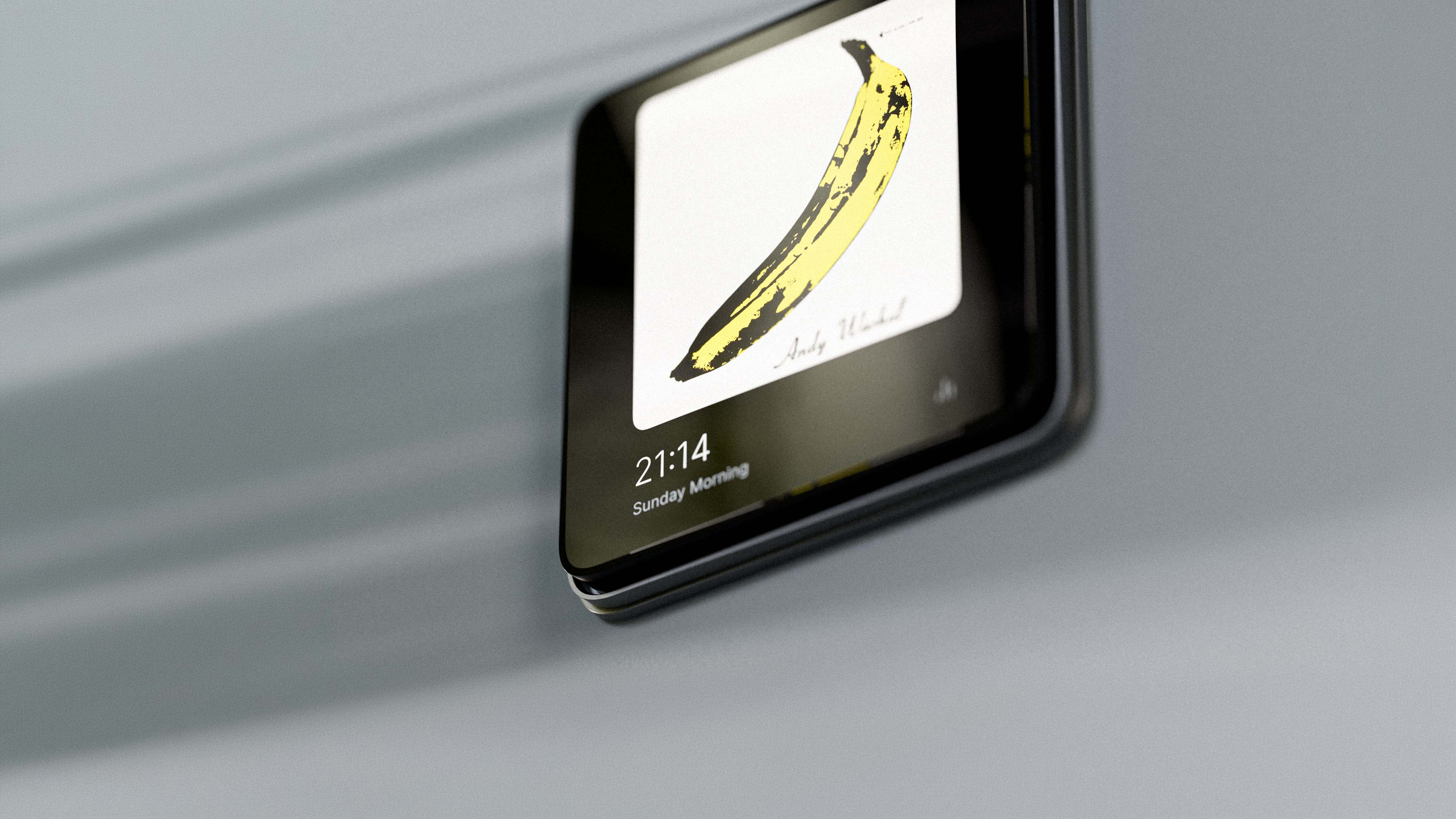
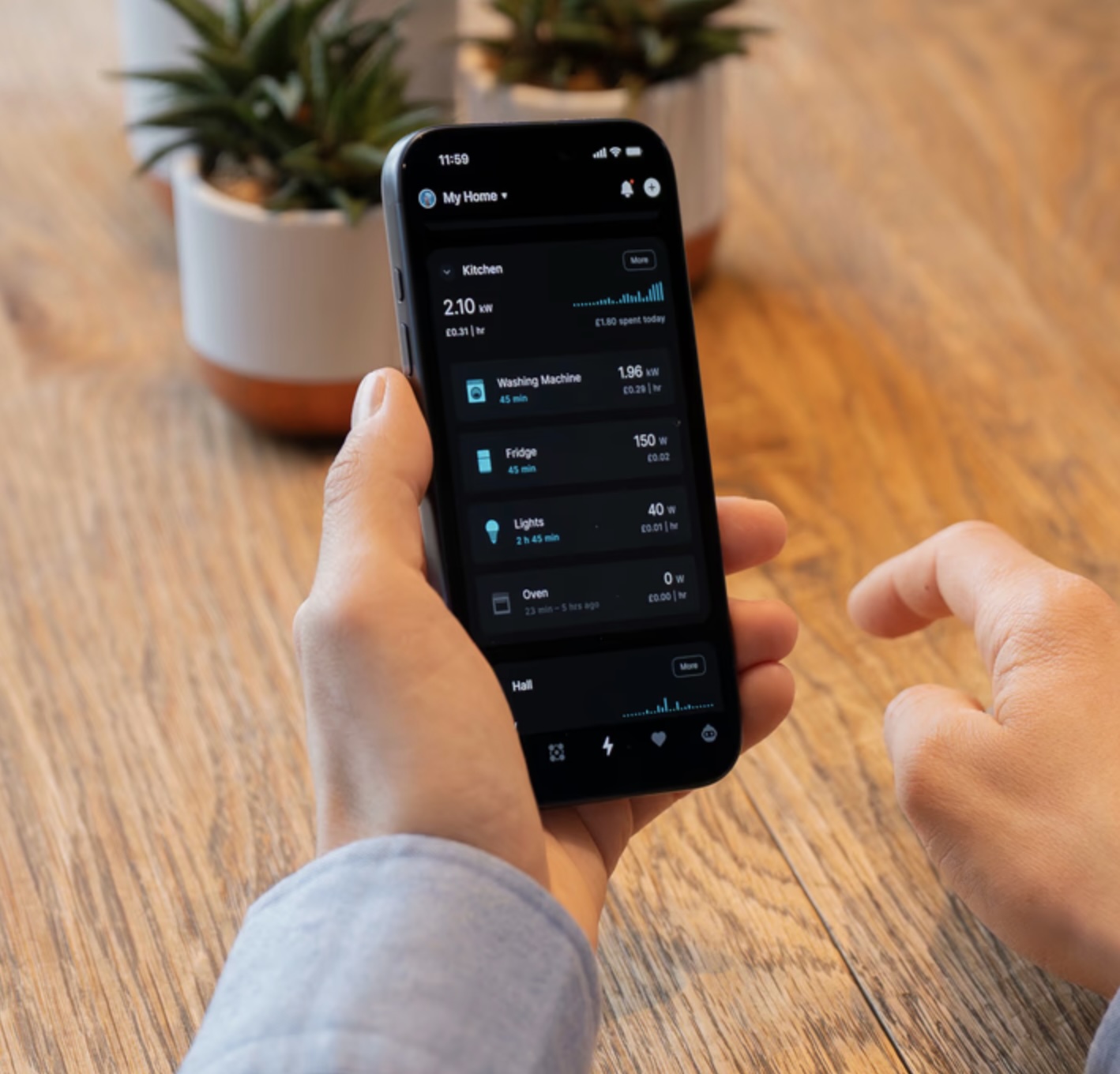
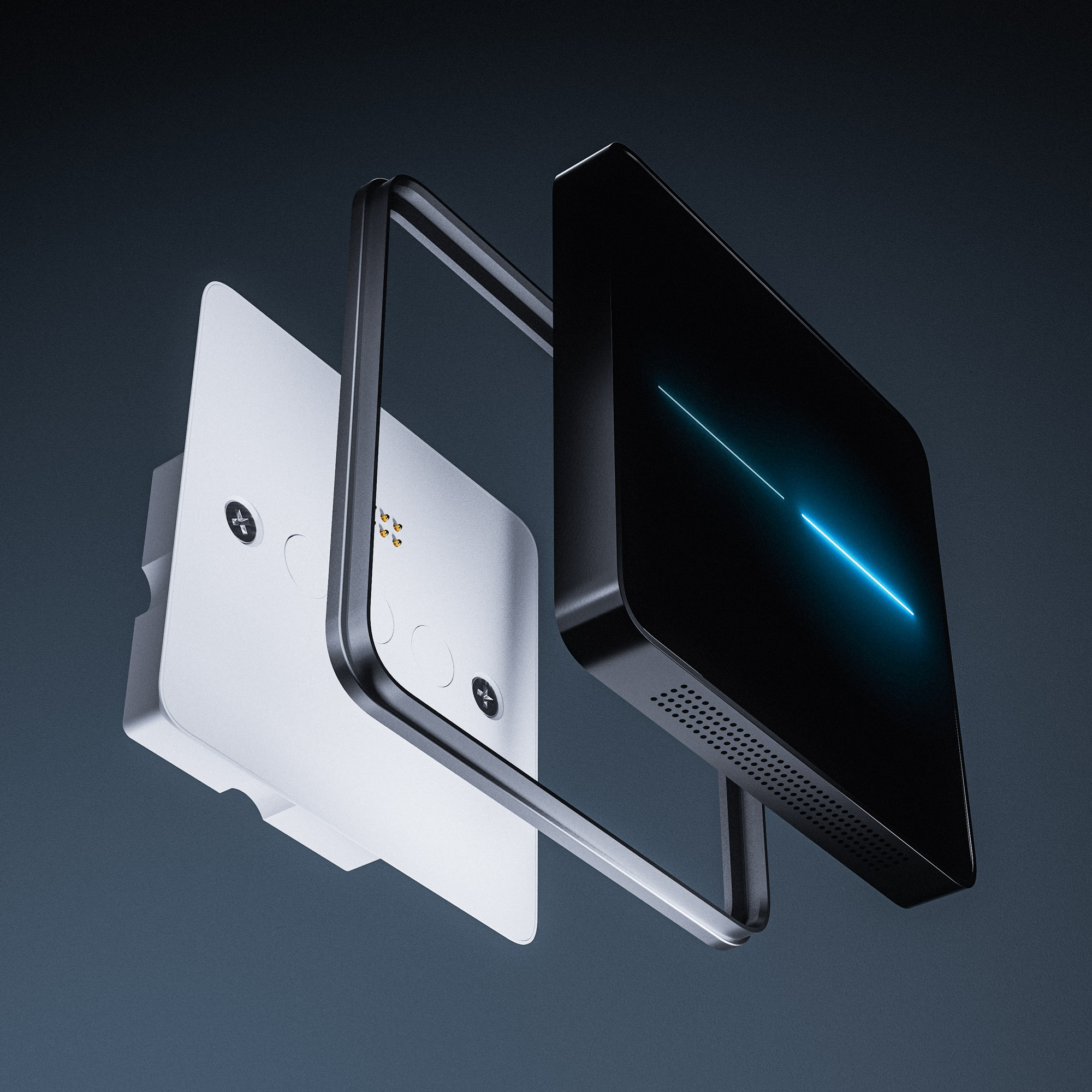
Tewke is an consumer technology company I helped co-found in late 2020 developing the next generation of home automation devices that can control your whole home, from lighting and heating, to music and monitoring air quality, whilst also reducing energy bills by upto 30%. Tewke Tap is Tewke's flagship product, packing a 1080p OLED display, 7 environmental sensors including mm-wave radar.

Tap One
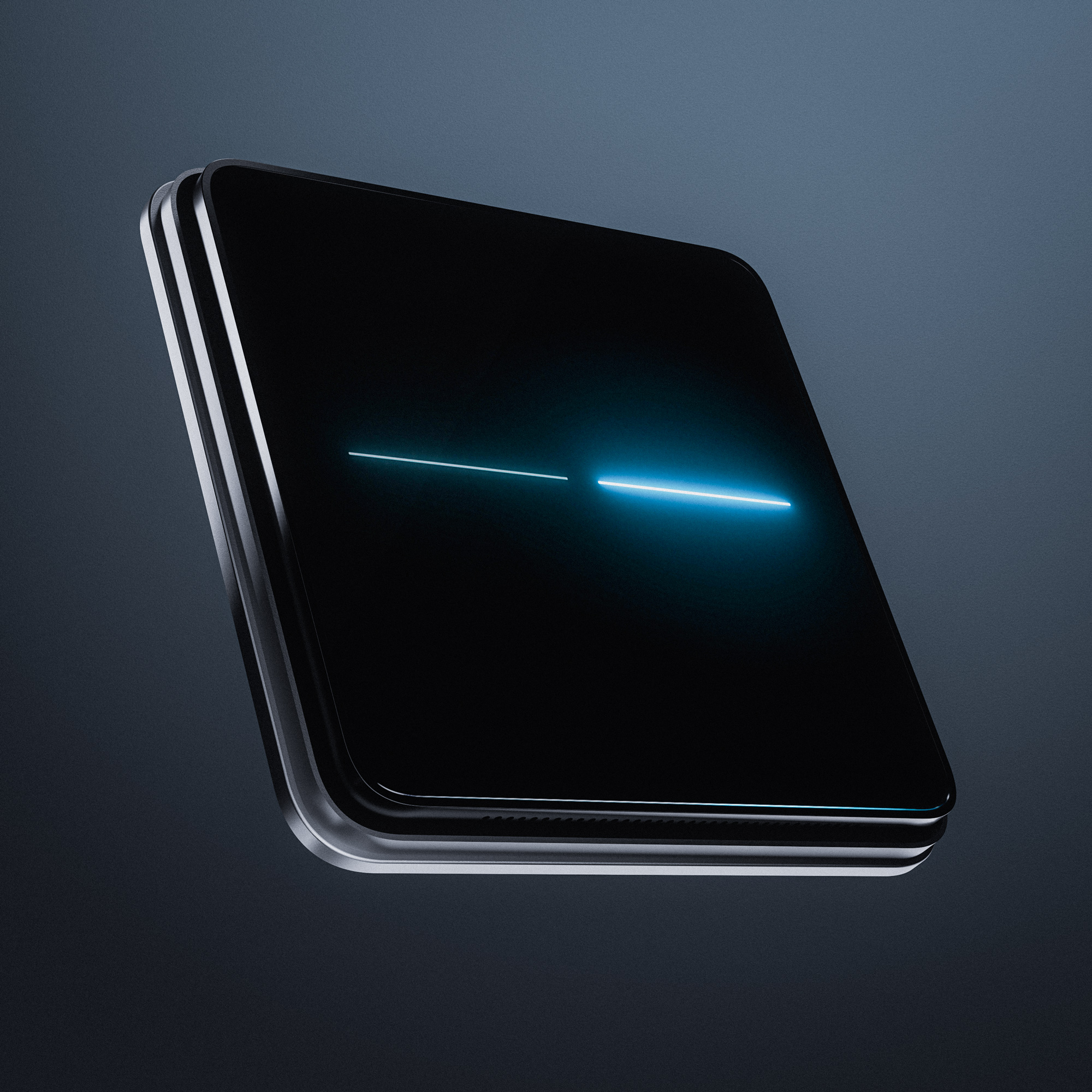
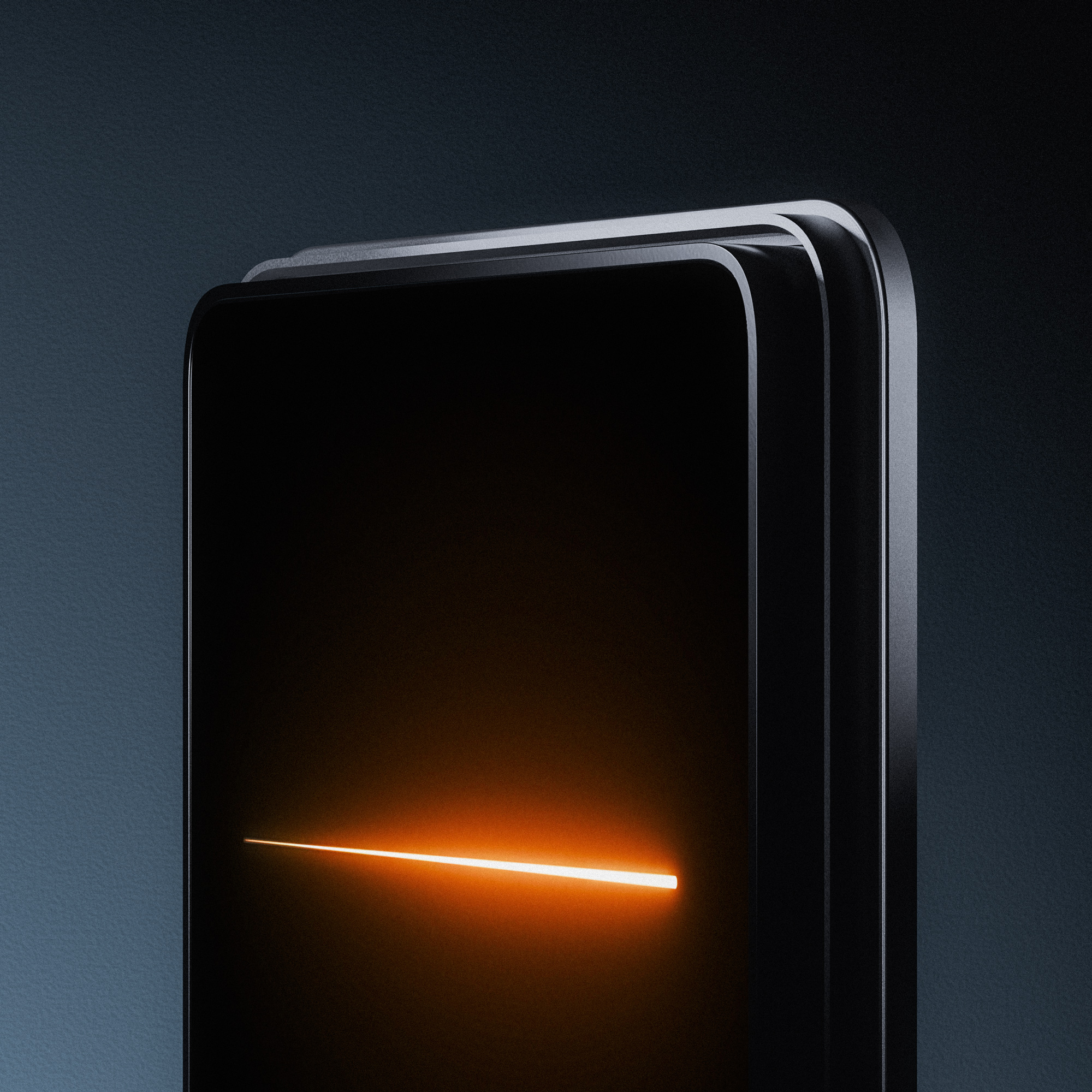
Tap One is the second device I oversaw at Tewke. It takes the core essence of what made Tewke Tap an award winning device, and brought it down to a more competitive price. It features the core sensors as Tap, but instead of an OLED display (and the high end CPU/GPU required to power such a display) it has a capacitive glass surface with an interactive LED light bar.
Previous Projects
Earlier work — university builds, personal projects, and the odd weekend experiment.
BEAT
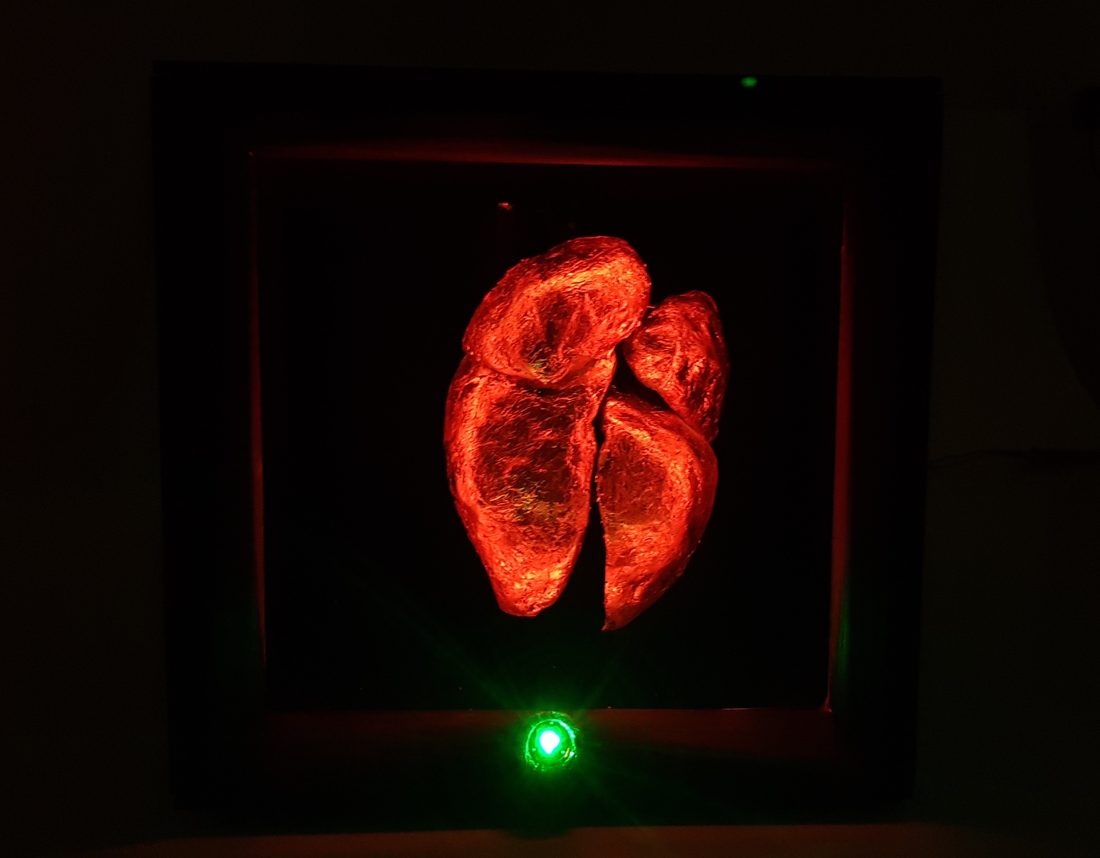
An interactive installation that syncs a mechatronic copper heart to your own pulse — Victorian mechanisms and V-twin engineering, wrapped in cams, springs and gears.
EFD.1
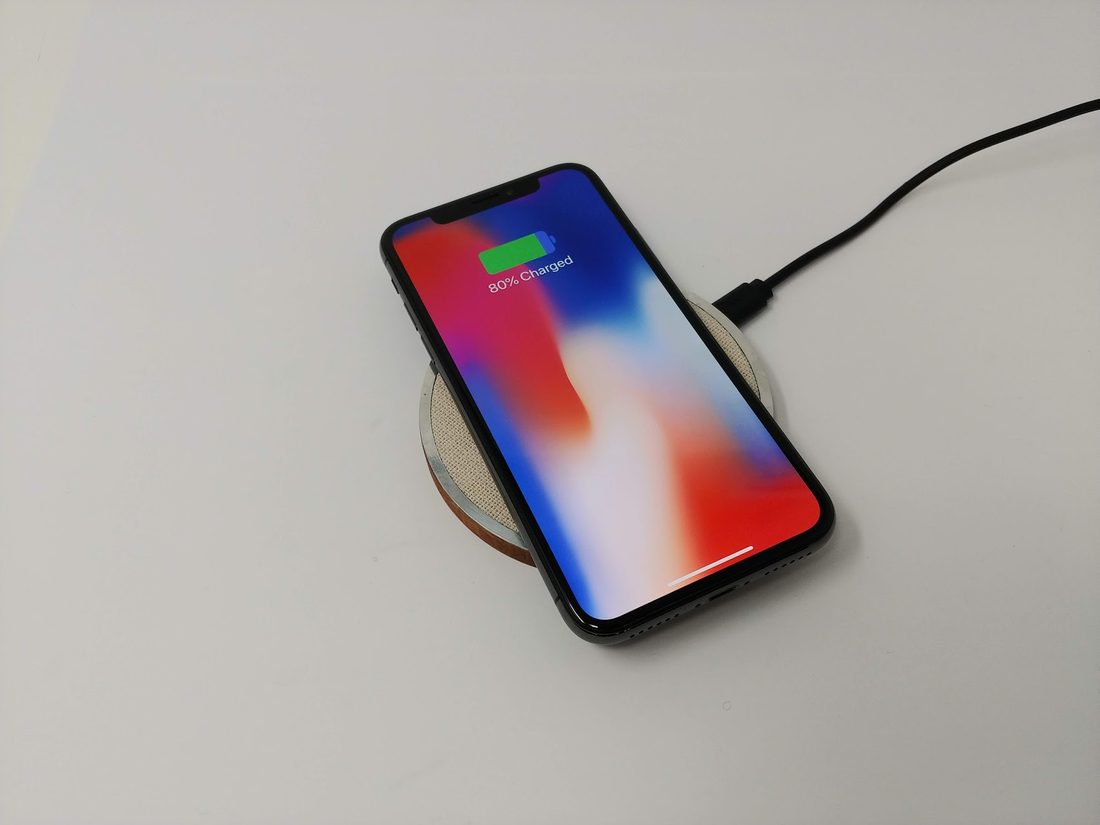
A Qi wireless charger machined from scrap mahogany, aluminium and linen — 6.95mm thin, and a natural-material answer to a market built from plastic.
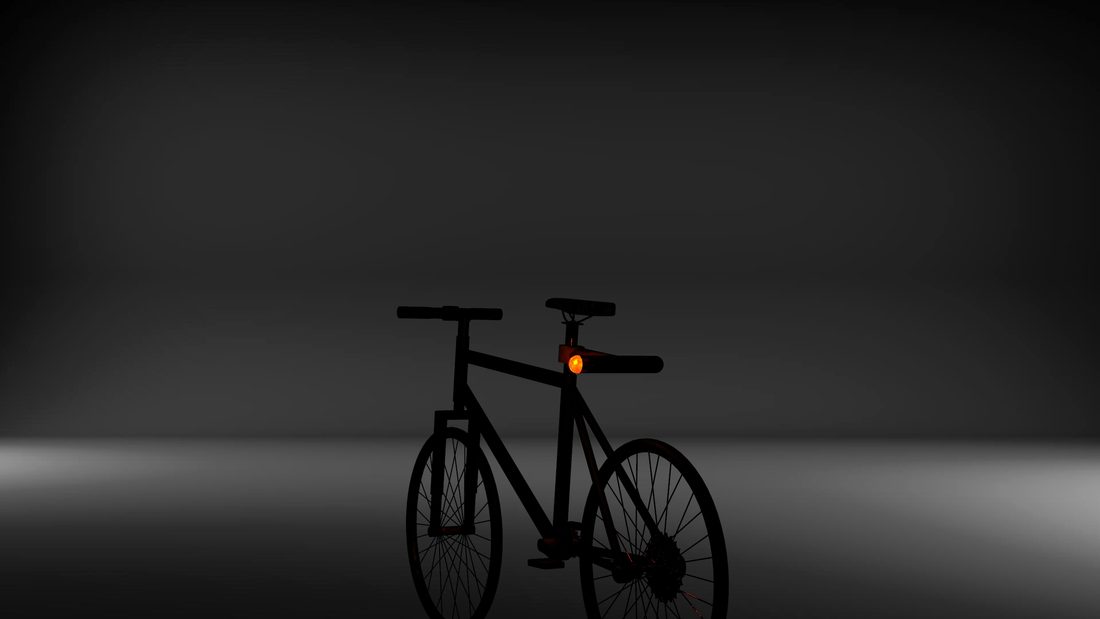
BLINK
Coming soonWireless bicycle indicators, built to make riding after dark a little safer and a lot more visible.
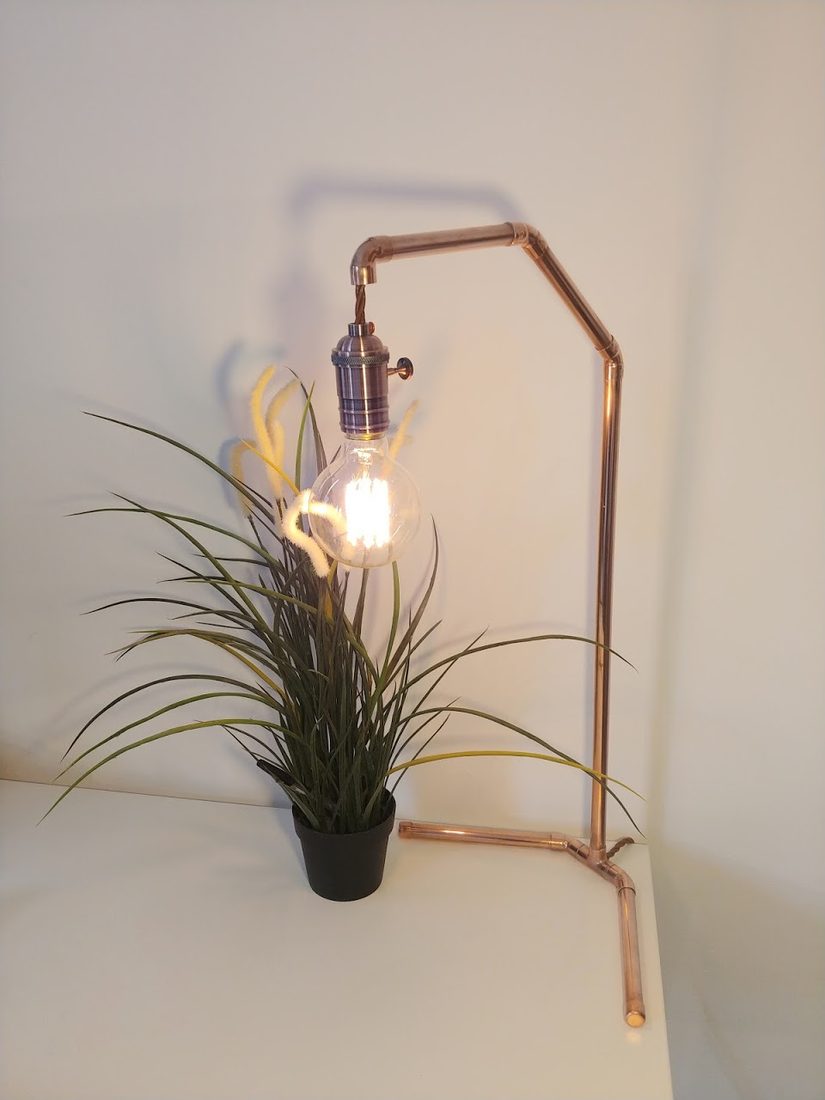
Roupell L1
A filament desk lamp built from reclaimed copper piping, with a floor-mounted switch on a 4-metre braided cable.
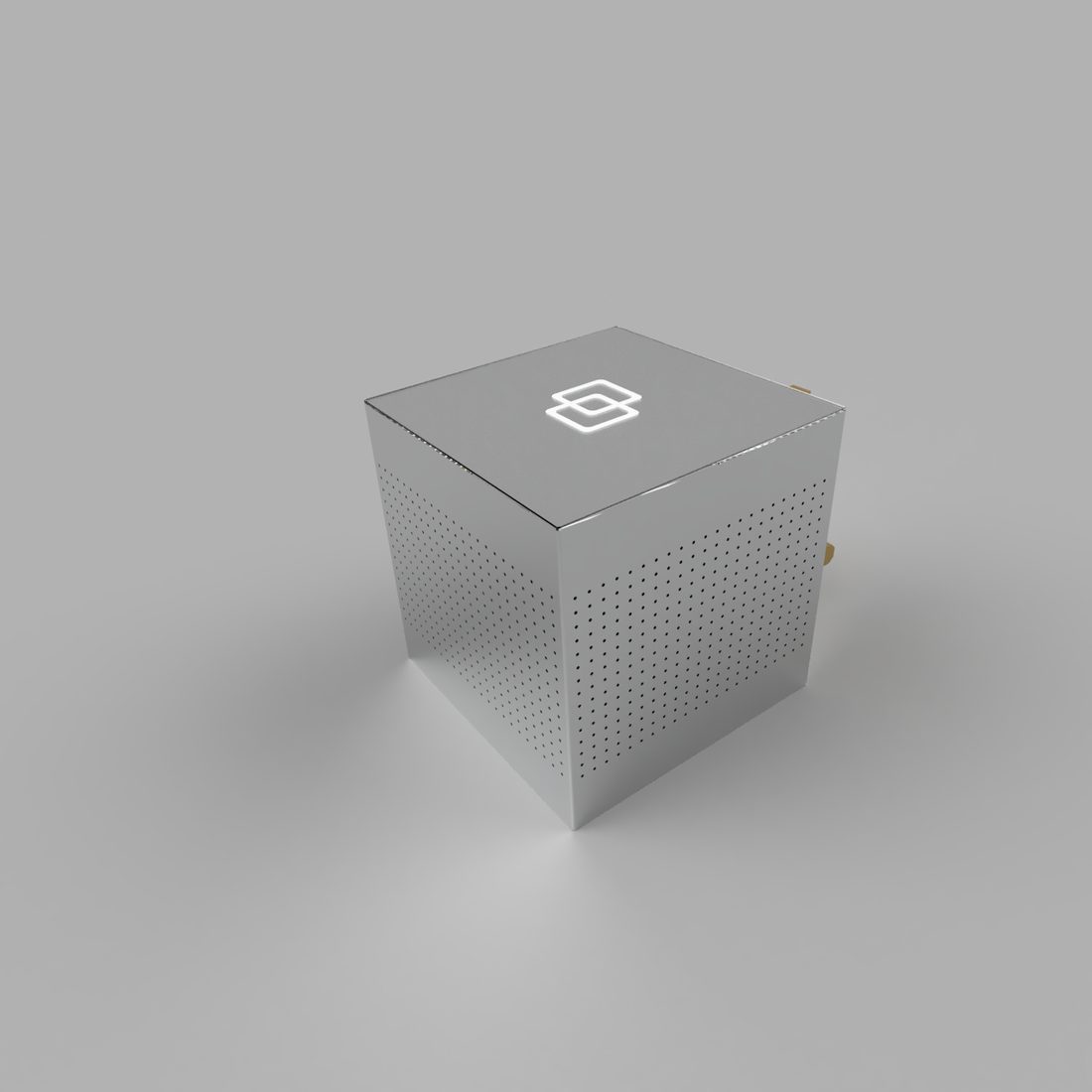
S3
A modular home speaker system that rides the home's own wiring instead of wireless — machined aluminium, tempered glass, near-zero latency.
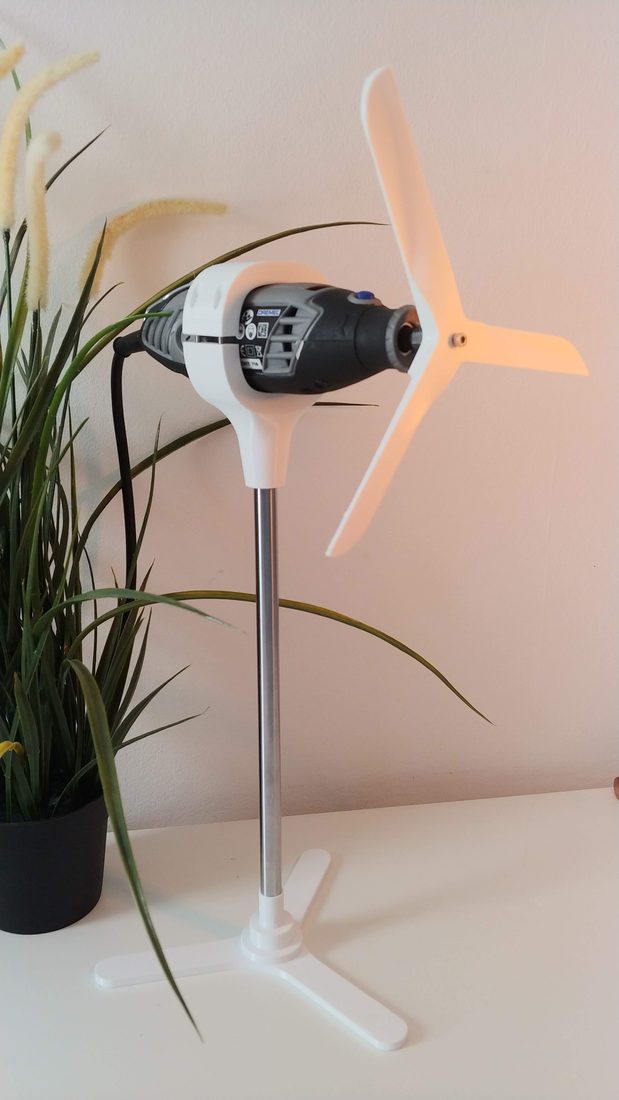
Dremel Fan
A Dremel 3000 turned into a desk fan in one evening — 3D-printed parts engineered to print without any support structures.